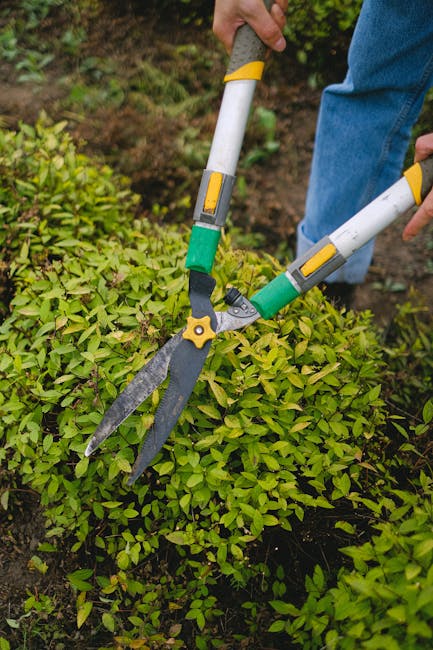
Evelyn Street garden maintenance tips from Deptford gardeners

If you live on or around Evelyn Street, you will know that a garden can go from calm to chaotic faster than you'd like. One damp week, a bit of wind, a few ambitious weeds, and suddenly the whole space feels heavier than it should. The good news? With the right routine, Evelyn Street garden maintenance tips from Deptford gardeners can keep a small front plot, back garden, courtyard, or shared outdoor space looking neat without turning weekends into a second job.
This guide is built for real-life London gardening, not idealised magazine lawns. Deptford gardens have to deal with shade, compact soil, passing pollution, privacy issues, and the sort of weather that changes its mind by lunchtime. So let's break down what actually works: how to maintain a garden sensibly, what to prioritise, which mistakes cause the most frustration, and how to decide whether to do it yourself or bring in help.
By the end, you'll have a practical plan you can actually use, plus a better sense of what a well-kept Evelyn Street garden should look and feel like. Not perfect. Just healthy, tidy, and manageable. Which, truth be told, is usually the sweet spot.
Why Evelyn Street garden maintenance tips from Deptford gardeners Matters
Evelyn Street sits in a part of London where gardens often have to work harder than people expect. Space is limited, soil may be compacted, fences can create pockets of shade, and moisture can linger longer than you'd like after rain. A garden that looks simple from the pavement may actually be balancing several things at once: drainage, planting choice, access, privacy, and year-round tidiness.
That is why maintenance matters so much here. A garden on Evelyn Street is not just a decorative feature. It is part of the property's first impression, a place for daily use, and often one of the few bits of outdoor breathing room people have. Neglect it for a month or two and the weeds will absolutely notice. They do not miss an opportunity.
Deptford gardeners tend to think in terms of practicality first. The aim is not to create an overworked show garden with fussy borders that demand constant attention. It is to build a manageable outdoor space that copes with local conditions and still looks cared for. That means trimming before things get out of hand, watering with purpose rather than habit, and choosing plants that suit the site rather than fighting it.
There is also a value side to this. Tidy, well-structured gardens can support property presentation, improve day-to-day enjoyment, and reduce the likelihood of reactive jobs later on. In other words, a bit of steady maintenance often saves more time and stress than big rescue work.
How Evelyn Street garden maintenance tips from Deptford gardeners Works
Good garden maintenance is less about one grand overhaul and more about small, regular decisions. In practice, the process usually follows a rhythm:
- Assess the space - check what is growing well, what is struggling, and what is causing the mess.
- Prioritise the urgent jobs - weeds, overgrown hedges, dead plants, blocked drainage, fallen leaves, and anything creating safety or access problems.
- Set a maintenance cycle - weekly, fortnightly, or monthly depending on size and planting density.
- Match tasks to the season - spring tidying is not the same as autumn clearance, and winter care is its own thing entirely.
- Repeat before problems build - the trick is to stay slightly ahead, not catch up after everything has run wild.
On Evelyn Street, this often means working with the local conditions rather than against them. If a border is shaded by neighbouring buildings, choose plants that tolerate lower light. If the soil is heavy, focus on improving structure over time instead of expecting instant transformation. If the garden is narrow, keep access clear and avoid overplanting every available gap. Simple, but effective.
Deptford gardeners often also build maintenance around realistic use. A family garden may need regular sweeping and lawn edging. A rented property might need a strong focus on visual tidiness and low-maintenance planting. A small back yard could benefit more from container care, pruning, and weed control than from elaborate landscaping. Different space, different rhythm.
Key Benefits and Practical Advantages
People usually start thinking about maintenance because the garden looks messy. Fair enough. But the benefits run deeper than appearance alone.
- Less time lost to big clean-ups - small, regular tasks prevent the weekend-eating "garden emergency".
- Healthier plants - pruning, deadheading, and seasonal feeding help plants stay vigorous.
- Better drainage and fewer damp issues - leaf build-up and clogged beds can trap moisture.
- Improved usability - a clearer layout makes the space easier to enjoy and safer to walk through.
- Stronger kerb appeal - neat edging, clean paths, and tidy planting beds make an immediate difference.
- Lower replacement costs - catching problems early often means fewer dead shrubs and fewer expensive resets.
There is also a less obvious benefit: maintenance helps you understand your garden. You begin to spot which corners dry out first, where moss likes to gather, which plants never quite settle, and what needs a little more light or airflow. That kind of familiarity is worth a lot. It turns gardening from guesswork into something more grounded.
Expert summary: If you want a garden on Evelyn Street to stay manageable, focus on consistency, not intensity. A bit of attention each week almost always beats a heroic clear-up every few months.
Who This Is For and When It Makes Sense
These Evelyn Street garden maintenance tips from Deptford gardeners make sense for a wide range of people, not just keen gardeners with green fingers and free Saturdays.
- Homeowners who want the garden to stay neat without constant effort.
- Landlords who need outdoor areas to remain presentable between tenancies or inspections.
- Tenants who want to stay on top of the space without over-investing in heavy redesigns.
- Families who need a safe, usable, and low-fuss garden.
- Busy professionals who like having a decent garden but do not want to sacrifice all their spare time to it.
- Older residents who may prefer lighter, safer, and more regular maintenance over demanding tasks.
It makes sense especially when the garden is showing small warning signs: weeds edging into the lawn, shrubs crowding paths, planters drying out too quickly, moss on paving, or general "something needs doing" fatigue. That feeling is usually your cue to act before the list gets long and slightly depressing.
If the garden is already heavily overgrown, maintenance still matters, but the first job may be a reset rather than routine care. Once the structure is back under control, the ongoing work becomes much easier. That is usually where good local gardeners earn their keep: getting a space back to a place where maintenance actually feels realistic again.
Step-by-Step Guidance
A good maintenance routine for an Evelyn Street garden does not need to be complicated. It needs to be reliable. Here is a practical sequence that works for many Deptford gardens.
1. Start with a quick full-site walk-through
Look at the garden with fresh eyes. Check the borders, lawn, paths, fence lines, pots, and any hidden corners. Notice where debris collects, where plants are struggling, and where weeds are getting a foothold. If you skip this, you tend to keep fixing the same visible areas while the real issue sits in the background.
2. Clear debris first
Remove fallen leaves, broken twigs, dead stems, and anything sitting on top of soil or paving. This immediately improves appearance and helps the garden breathe. It also makes later tasks easier because you are not working around clutter.
3. Deal with weeds before they seed
This is one of those jobs that feels small and then suddenly isn't. Pull weeds when the soil is moist and roots can come away more cleanly. If the area is badly infested, you may need repeated passes. Don't wait for a full takeover, because then the job becomes more stubborn and more annoying. Slightly annoying is okay. Deeply annoying is not the goal.
4. Cut back overgrowth with intention
Trim hedges, shrubs, and climbing plants so they keep a shape that suits the space. Avoid taking off too much at once if the plant is stressed or it is the wrong season for hard pruning. A light, steady cut is often better than an overenthusiastic chop.
5. Refresh beds and borders
Rake the soil surface, remove dead annuals, top up mulch where needed, and check plant spacing. Mulch helps suppress weeds and hold moisture, but it should be applied sensibly rather than piled against stems. Little detail, big difference.
6. Look after the lawn if you have one
For lawns, keep mowing at a sensible height, edge the borders, and avoid cutting too short in dry or shaded conditions. Thin patches may need aeration, overseeding, or a better watering approach. A lawn does not need to be perfect to be good. It just needs to look alive and be looked after.
7. Water with purpose
Water in the morning or later in the evening when evaporation is lower. Focus on young plants, containers, and newly established beds. Frequent light watering can be less useful than a deeper soak, depending on the soil and plant type. This is where observation matters more than habit.
8. Finish with edging and a final tidy
Clean lines make a garden look maintained almost immediately. Straight edges along paths, trimmed bed margins, and swept paving pull everything together. It is a small thing, but you notice it as soon as you step back.
If you only have an hour, do steps 2, 3, and 8. Honestly, that alone can transform the feel of the space.
Expert Tips for Better Results
Experienced Deptford gardeners tend to lean on practical habits rather than fancy tricks. A few of the most useful ones are below.
- Work with microclimates - one part of a garden may be dry and sunny while another stays cool and damp. Treat them differently.
- Use containers strategically - pots can bring colour and flexibility to narrow or awkward gardens, especially where planting beds are limited.
- Think in layers - low ground cover, mid-height shrubs, and occasional structure create a garden that feels complete without becoming crowded.
- Choose maintenance-friendly plants - in a busy urban garden, plants that tolerate pruning, partial shade, or slightly imperfect conditions are often the smart choice.
- Keep tools sharp and clean - a clean cut helps plants recover more neatly and makes the work less of a struggle.
- Leave some air around plants - crowding may look full at first, but it usually creates future problems with moisture, pests, and access.
One useful habit is to make a small note of what changes each season. Did the soil stay wet for too long? Did one shrub block light from a bed beneath it? Did you keep forgetting to water the back corner? Those tiny observations become gold later. Gardening is full of small clues if you bother to look.
And here is a very human point: don't chase perfection. A garden that is alive, slightly seasonal, and clearly cared for is usually far nicer than one that looks rigid and over-managed. There is room for a bit of looseness. In fact, sometimes that is what gives a garden charm.
Common Mistakes to Avoid
Most maintenance mistakes are not dramatic. They are the sort that creep in quietly and then make the garden harder to manage. A classic case, really.
- Cutting too much at once - hard pruning at the wrong time can stress plants and leave awkward gaps.
- Ignoring drainage issues - repeated puddling, soggy soil, or mossy paving usually means something needs attention.
- Letting weeds seed - one neglected patch can become several.
- Overwatering containers - many potted plants struggle more from too much water than too little.
- Using the wrong plant in the wrong place - a shade-loving plant in full sun, or vice versa, often becomes a maintenance headache.
- Leaving autumn debris too long - damp leaves can smother smaller plants and make surfaces slippery.
- Trying to solve everything with one big session - the garden often needs a plan, not a heroic sprint.
Another common problem is underestimating access. In narrow Evelyn Street spaces, every bucket, wheelbarrow, and pile of cuttings has to go somewhere. If you do not plan your working route, the garden ends up feeling tidier in theory than in practice.
To be fair, most mistakes are fixable. The main thing is noticing them early enough that they do not turn into a bigger clean-up later.
Tools, Resources and Recommendations
You do not need a van full of equipment to maintain a London garden well. A compact, sensible kit usually works best.
| Tool or resource | What it helps with | Why it matters in a Deptford garden |
|---|---|---|
| Hand trowel | Planting, weeding, light soil work | Useful in borders, pots, and tight spaces where larger tools are awkward |
| Secateurs | Pruning stems, deadheading, trimming | Good for frequent small cuts rather than blunt-force hedge work |
| Garden fork | Loosening compacted soil, lifting weeds | Helpful where urban soil has become firm over time |
| Rake or leaf broom | Clearing debris and leaves | Important for keeping paths and beds clean through autumn and winter |
| Watering can or hose with control | Targeted watering | Better for containers and selective watering than broad soaking |
| Gloves and kneeling pad | Comfort and protection | Make short maintenance sessions easier to repeat |
If you are buying tools, choose durability over novelty. A cheap tool that bends, rusts, or feels awkward tends to sit in the shed. The one you actually like using will be the one that gets used. Surprisingly simple. Also very true.
For regular maintenance, many gardeners also keep a small seasonal stock of compost, mulch, and plant feed. The exact choice depends on what is growing, but in most urban gardens, improving the soil gradually is more valuable than trying to force quick results.
If a job is beyond routine care - for example, a badly overgrown hedge, a neglected border reset, or awkward access near fences and paving - it may be worth bringing in a local gardener who understands the area and the realities of London gardens. Not every task needs to be DIY'd into submission.
Law, Compliance, Standards, or Best Practice
For most everyday garden maintenance, there is no complicated legal framework to worry about. That said, there are a few sensible best-practice points worth keeping in mind, especially in a dense residential area like Evelyn Street.
- Be considerate with noise and timing - hedge cutting, mower use, and power tools can be disruptive, so reasonable hours matter.
- Keep access safe - avoid leaving tools, bags, or cuttings where people could trip.
- Manage waste properly - green waste should be handled in line with local arrangements rather than dumped in communal areas.
- Mind boundaries - if plants, ivy, or branches encroach on neighbouring spaces, deal with them carefully and respectfully.
- Use chemicals cautiously - if any treatment is used, follow the product instructions and avoid careless application around children, pets, or water features.
For shared or rented properties, it is also worth checking who is responsible for which part of the outdoor space. That sounds obvious, but in practice these details often get fuzzy. A quick agreement at the start can prevent awkwardness later on.
In general, best practice is simple: maintain the garden in a way that is safe, tidy, respectful, and sustainable enough to repeat. If a maintenance routine is too aggressive, too noisy, or too difficult to keep up, it probably needs adjusting.
Options, Methods, or Comparison Table
There are a few common ways people handle garden maintenance on Evelyn Street. The right choice depends on time, budget, garden size, and how much you want to do yourself.
| Method | Best for | Pros | Trade-offs |
|---|---|---|---|
| DIY routine care | Smaller gardens, confident homeowners, low budgets | Flexible, low cost, hands-on control | Can slip when life gets busy; some tasks are physically demanding |
| Occasional professional visits | Busy households, landlords, mixed skill levels | Good for resets, seasonal work, and difficult tasks | Needs scheduling and clear briefings |
| Regular maintenance service | Consistent presentation, larger or more demanding gardens | Reliable upkeep and less stress | Higher ongoing cost than DIY |
| Seasonal deep cleans only | People who can tolerate a less polished look between visits | Useful for spring/autumn clearances | Garden can become messy between sessions |
In real life, many households use a mixed approach. They handle light tasks themselves - sweeping, watering, deadheading, basic weeding - then bring in help for heavier pruning, clearance, or a full seasonal refresh. That tends to be the sweet spot for value and sanity.
Case Study or Real-World Example
Here is a very typical Evelyn Street-style scenario. A small terraced garden had become cluttered after a wet autumn: leaves had gathered near the fence, the borders were crowded, the path had gone slippery in places, and a couple of shrubs had stretched out too far over the paving. Nothing dramatic. Just enough to make the space feel tired.
The first pass was not glamorous. Debris was cleared, the path was swept, weeds were lifted, and the worst of the overgrowth was cut back. Then the garden was split into zones: a sunny end that could take more colour, a shadier section where fussier plants never did well, and a narrow middle strip that needed to stay uncluttered for access.
After that, the maintenance plan changed. The owner stopped trying to water everything equally, stopped planting bulky shrubs in tight corners, and started doing short weekly tidy-ups rather than waiting for the garden to shout for attention. A few containers were added for flexibility, mulch was used to reduce weed pressure, and edging became part of the routine.
The result was not a showroom garden. It was better than that, really. It became easy to manage, pleasant to walk through, and no longer felt like a burden every time the back door opened. That is what good local maintenance often achieves: less drama, more use, and a garden that quietly works in the background.
Practical Checklist
Use this checklist to keep your Evelyn Street garden on track. If you are short on time, start from the top and work down until the garden feels under control again.
- Remove fallen leaves, dead stems, and loose debris.
- Check for weeds in borders, cracks, and around paving edges.
- Trim overgrown shrubs, hedges, and climbers where needed.
- Inspect drainage areas for standing water or heavy moss.
- Deadhead flowers and cut back tired growth.
- Water containers and newly planted areas carefully.
- Edge lawn lines and sweep paths or patios.
- Refresh mulch or compost where soil is exposed.
- Look for signs of plant stress, pests, or disease.
- Plan the next maintenance session before the garden starts slipping again.
Quick reminder: the best checklist is the one you will actually use. A short routine done regularly beats a perfect system that never happens.
Conclusion
Evelyn Street garden maintenance tips from Deptford gardeners are really about something simple: keeping outdoor space manageable in a part of London where gardens have to earn their keep. With steady care, sensible plant choices, and a routine that respects the site, even a small or awkward garden can feel calm, neat, and genuinely useful.
The key is not chasing perfection. It is noticing problems early, doing the small jobs before they become big ones, and shaping the space so it works for your life, not against it. That is the real value of local garden maintenance advice: practical, grounded, and built for the way people actually live.
If your garden has started to feel a bit much, you are not alone. Most of them do at some point. The good news is that gardens respond well to care, and once you get back into a rhythm, the whole space begins to settle again.
Get a free quote today and see how much you can save.
Frequently Asked Questions
What makes Evelyn Street gardens different from other London gardens?
Evelyn Street gardens often deal with compact layouts, shade from surrounding buildings, and the usual London mix of weather swings, limited access, and patchy soil. That means maintenance has to be practical rather than decorative-first.
How often should I maintain a small garden in Deptford?
For most small gardens, a light weekly tidy-up or a more thorough fortnightly session is enough to stay ahead of weeds, fallen debris, and overgrowth. The exact rhythm depends on planting density and how much the garden is used.
What is the most important maintenance task to stay on top of?
Weeding and general tidying usually have the biggest immediate impact. If you keep weeds, debris, and dead growth under control, the garden tends to stay far more manageable overall.
Can I maintain a garden myself, or should I hire a gardener?
If the garden is small and you are comfortable with basic tasks, DIY maintenance can work well. If the space is overgrown, difficult to access, or needs regular structured care, a local gardener may be the better choice.
What plants are easiest to maintain in a Deptford garden?
Generally, plants that tolerate partial shade, variable moisture, and occasional pruning are the safest bet. The best choice depends on the exact light and soil conditions in your garden.
How do I stop weeds from coming back so quickly?
Remove them before they seed, keep beds mulched where appropriate, and avoid leaving bare soil exposed for long periods. A regular maintenance routine is usually more effective than occasional heavy weeding.
Is lawn care worth it in a small urban garden?
Only if you genuinely use and enjoy the lawn. In small spaces, many people prefer a mix of paving, planting, and containers because it can be easier to manage and more resilient in the long run.
What should I do with a garden that has become overgrown?
Start with clearance: debris, weeds, and the most intrusive growth. Then reassess the layout, prune carefully, and rebuild the space in stages rather than trying to sort everything in one exhausting session.
Are there any special rules I need to think about for garden waste?
Yes, in a general sense you should dispose of green waste properly and avoid dumping it in shared or public areas. If you share boundaries or manage a rented property, it helps to clarify responsibilities early.
What is the best season for garden maintenance in Deptford?
Every season matters, but spring and autumn are usually the most active. Spring sets the garden up for the year, while autumn is the time to clear, protect, and prepare for wetter weather.
How can I make garden maintenance feel less overwhelming?
Break it into small jobs and set a realistic rhythm. Ten focused minutes is often better than waiting for a perfect free afternoon that never arrives. Funny how that works.
What should I ask a local gardener before hiring them?
Ask what services they include, how often they recommend visits, whether they can handle both light maintenance and heavier clearance, and how they approach local conditions like shade, access, and seasonal growth.
If you keep the space simple, stay consistent, and work with the garden rather than against it, Evelyn Street outdoor spaces can be a lot easier to live with. And honestly, that is the whole point: a garden that feels like a relief when you step into it.