Gardening Services in Deptford
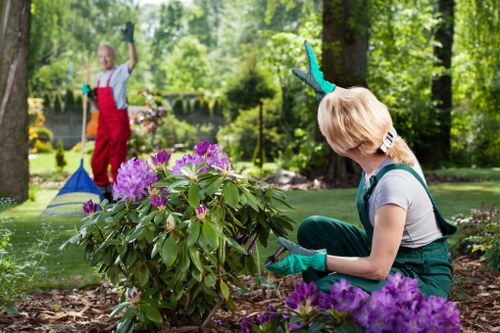
Gardening services in Deptford should feel practical, tidy and shaped around the work a garden actually needs. We focus on day-to-day maintenance, seasonal cutting and more involved outdoor jobs that help keep boundaries neat, lawns manageable and planting areas under control. For homes, landlords and businesses, the aim is straightforward: clear, well-kept outdoor space with work matched to the site, the time of year and the condition of the garden.
Our service covers routine garden care as well as one-off jobs that call for a more thorough visit. That can include grass cutting, hedge trimming, garden clearance, basic landscaping and tree work where it is appropriate. We also support customers who need a lighter maintenance plan rather than a complete redesign, so the work can be paced sensibly and kept focused on the areas that matter most.
If you are planning a tidy-up, regular upkeep or something more involved, it is a good time to request a quotation and compare what is needed across the site. A short outline of the garden is enough to begin, and the work can then be shaped around access, size and finish.
Regular garden maintenance
Garden maintenance is often the difference between a space that stays easy to use and one that becomes difficult to manage. Our maintenance work is intended to keep growth under control, improve presentation and reduce the build-up of neglected areas. For many properties this means combining a few small tasks into one visit, rather than treating each problem separately. The result is usually more efficient and easier to plan across the seasons.
Typical maintenance can include mowing, edging, hedge cutting, weeding and general tidy-up work around paths, beds and boundaries. We can also deal with overgrown corners, self-seeded growth and the lighter green waste that collects when a garden is used often but not given enough attention. When maintenance is arranged regularly, it is usually easier to keep the work predictable and the garden in a usable condition.
Choosing the right maintenance pattern
Different gardens need different levels of attention. A compact paved yard may only need occasional clearing and cutting back, while a larger rear garden might benefit from a fuller recurring visit that covers several tasks in one go. A sensible maintenance plan keeps priorities clear: what needs doing now, what can wait, and which areas need closer attention because of shade, hedge growth or access limitations. If you want a steady routine, regular maintenance is often the most practical place to begin.
Lawn mowing and edge finishing

Lawn mowing is one of the most visible parts of garden care, but good results depend on more than simply cutting the grass. Height, frequency, edging and clearing away clippings all affect the final appearance. We work on lawns that need a neat finish as well as those that have become uneven or patchy, using a practical approach that suits the surface and the condition of the turf. For many customers, this is the most effective way to keep the garden looking orderly throughout the growing season.
Alongside mowing, we can tidy the edges around borders, fences, patios and paths so the lawn looks properly finished rather than merely cut. Where the grass is long, it may need a staged approach before it can be brought back to a better standard. In some gardens there may also be debris, mossy patches or awkward corners that need attention during the same visit. The work is most useful when the cutting and the finishing details are treated as one task.
- Grass cutting for routine and overgrown lawns
- Edge tidying for paths, borders and paved areas
- Clearing loose clippings and light debris after cutting
- Managing awkward or uneven sections with a sensible finish
Where a lawn has become difficult to maintain, it can help to think in terms of shape, access and condition rather than only height. A well-cut lawn should sit comfortably with the rest of the garden, not draw attention to rough edges or uneven transitions. If you are weighing up what needs to happen first, mowing and edge finishing usually provides the quickest improvement.
Hedge trimming and boundary shaping
Hedges need more than occasional cutting if they are going to keep their shape, remain manageable and avoid spilling into paths or neighbouring spaces. Our hedge trimming work is intended to restore tidy lines, reduce excess growth and keep boundary planting under control. That can involve light shaping on smaller hedges or more substantial cutting back where growth has become dense and difficult to reach. The right method depends on the hedge type, size and current form.
Trimmed hedges are useful both for appearance and for practical access. They can improve light, help keep walkways clear and make the rest of the garden easier to look after. We also deal with untidy ends, uneven tops and side growth that has crept beyond the intended line. Where a hedge is particularly overgrown, it may need careful reduction over time rather than a single heavy cut, especially if the shape has been lost for some time.
When boundary work needs extra care
Some boundary planting sits close to fences, walls or narrow side passages, which means the work has to be controlled and tidy from the start. In those cases it is worth choosing a team that treats the hedge as part of the wider layout, not just as a row of leaves to be shortened. Careful trimming protects the line of the boundary and helps the whole outside area look more deliberate. Clean edges and balanced shaping usually make a stronger difference than simply removing height.
Garden clearance and green waste removal

Garden clearance is the right service when a space has become cluttered, heavily overgrown or difficult to use in its current state. This can involve removing cuttings, clearing away dead growth, gathering loose waste and dealing with areas that have been left untouched for a while. The aim is to make the site easier to see, easier to move around and easier to bring back into regular use. It is often the most suitable starting point before any ongoing maintenance begins.
A thorough clearance can support many different garden states. Some jobs are mainly about removing seasonal waste after a burst of growth, while others involve far more tangled areas that need patient work from the edges inward. We can also clear mixed green waste from borders, beds and hardstanding where fallen material has gathered. Where appropriate, the work can be combined with cutting back and basic tidying so the result is not only emptier but genuinely more manageable.
If the garden contains several problem areas, it often helps to prioritise them by access and practicality. For example, open lawn edges, paths and entrances may be dealt with first, before turning to deeper sections behind sheds or along fences. That approach keeps the job organised and helps the garden become usable again as soon as possible. When the site is especially neglected, clearance is usually the most efficient first step.
Landscape gardening and practical reshaping
Landscape gardening is useful when a garden needs more than upkeep and requires a more considered reworking of space. This may include resetting planting areas, improving levels, refreshing tired sections or turning awkward ground into something easier to use and maintain. We approach this work in a practical way, focusing on durability, layout and how the finished garden will function once the job is complete.
Some landscape gardening projects are modest and revolve around better organisation rather than major construction. Others may involve changing the flow of the garden, creating clearer divisions between lawn and borders, or introducing features that make the space look more coherent. The important point is that the work should suit the property rather than follow a fixed formula. A well-planned garden tends to be easier to care for and more satisfying to use.
Design choices that stay workable
Good outdoor improvements are usually the ones that remain practical after the initial finish has settled. That means thinking about access, maintenance and how planting or hard landscaping will sit within the day-to-day use of the space. We can support customers who want a cleaner layout, stronger definition between areas or a better balance between soft and hard surfaces. If you are deciding between repair, renewal and a fuller redesign, practical landscape gardening is often the best way to judge what the site can support.
Decking services and outdoor surfaces

Decking services are a useful option when a garden needs a defined sitting or circulation area that feels separate from lawn and planting. Decked areas can improve how a garden is used, particularly where the ground is uneven or where a clean transition between the house and the rest of the garden is helpful. Our work can include new decking, repairs and the renewal of worn sections where the structure still has value but the surface needs attention.
As with other parts of the garden, the best decking work is the kind that suits the property and the way the space is used. A compact deck can create a clear stepping or seating area, while a larger run of boards may help organise a wider outdoor layout. The finish, fixing and shape all matter, because decking should sit securely and look intentional rather than patched in as an afterthought. We treat the surface as part of the whole garden rather than a separate add-on.
It can also be useful to think about how decking sits alongside maintenance. Boards, edges and nearby planting all need enough attention to stop the area from looking tired. If you are considering whether to improve an existing feature or replace it with something new, it is worth comparing the condition of the structure with the level of use it gets. A well-chosen deck should be useful, tidy and consistent with the rest of the outdoor space.
Tree lopping and removal
Tree work needs a careful and measured approach because branches, size and access all affect what can be done safely and sensibly. Our tree lopping and removal service is aimed at reducing problematic growth, improving clearance and dealing with trees that are no longer suitable for the site. Depending on the job, the work may involve cutting back overextended limbs, reducing weight, or removing a tree that has become unmanageable.
This kind of service is often requested where a tree is affecting light, pressing too close to structures or creating a maintenance burden that keeps returning. We also deal with trees that have outgrown their position or started to interfere with other parts of the garden. Careful removal or reduction can restore balance without forcing the rest of the space into an awkward shape. The aim is always to match the work to the condition and setting of the tree.
When tree work is planned alongside other garden tasks, it is easier to decide what should happen first and how the waste will be dealt with afterwards. That may mean reducing overhead growth before hedge cutting or clearing the ground once branches have been dealt with. If you are considering whether to cut back, reshape or remove, the best decision usually starts with the tree’s present condition and the space it occupies.
Pricing, access and quotation details

Garden work is usually priced according to a mix of size, time, access, condition and the type of work required. A tidy lawn, a hedge that only needs shaping and a heavily overgrown clearance all demand different levels of labour, so it is sensible to compare them individually. Larger gardens can take more time, but difficult access, dense growth or awkward waste removal can matter just as much as the area itself. That is why a clear description of the task is often the most useful starting point.
When preparing a quotation, it helps to know which parts of the garden are most important, whether the work is one-off or recurring, and whether there are any areas that need special care. Useful details might include gate access, the presence of a lawn, the amount of overgrowth and whether waste needs to be taken away. You do not need to over-explain the situation; a concise outline is usually enough to begin. Plain, accurate information makes the quotation process easier for everyone.
If you would like a price for gardening services in Deptford, get in touch and ask for a quotation today. You can also note any preferred timing, the main tasks you want covered and whether you would like maintenance, clearance or a more involved garden improvement. If you are ready to move forward, request a quotation and we can help you plan the work clearly.
About Deptford
Deptford is a district in south-east London on the south bank of the River Thames, long associated with maritime activity, trade and movement between the river and the inland streets. Historically it was known for the Royal Dockyard, established by Henry VIII in 1513, which made the area an important part of England’s naval and industrial development for several centuries. The dockyard closed in 1869, but the district’s riverside identity still shapes its character through older industrial sites, warehouse conversions and traces of dockland history. Deptford High Street remains one of the area’s most recognisable routes, linking different parts of the neighbourhood and reflecting its mixture of longstanding local commerce and more recent change. The area also includes Deptford Creek, where the River Ravensbourne meets the Thames, creating a tidal landscape that has influenced settlement, transport and working life. Deptford station, together with nearby rail and Docklands links, has helped keep the district closely connected to the wider city. The name appears in local institutions, markets and cultural spaces, while nearby landmarks such as St Paul’s Church, with its distinctive Georgian presence, add architectural depth to the streetscape. Deptford Market Yard and related spaces have contributed to a lively local mix of food, trade and social activity, while the surrounding streets contain a varied pattern of housing, former industrial buildings and newer development. This combination of riverfront history, urban change and strong local identity gives Deptford a character that is both practical and historically layered, with visible reminders of its past set alongside the pace of everyday London life.