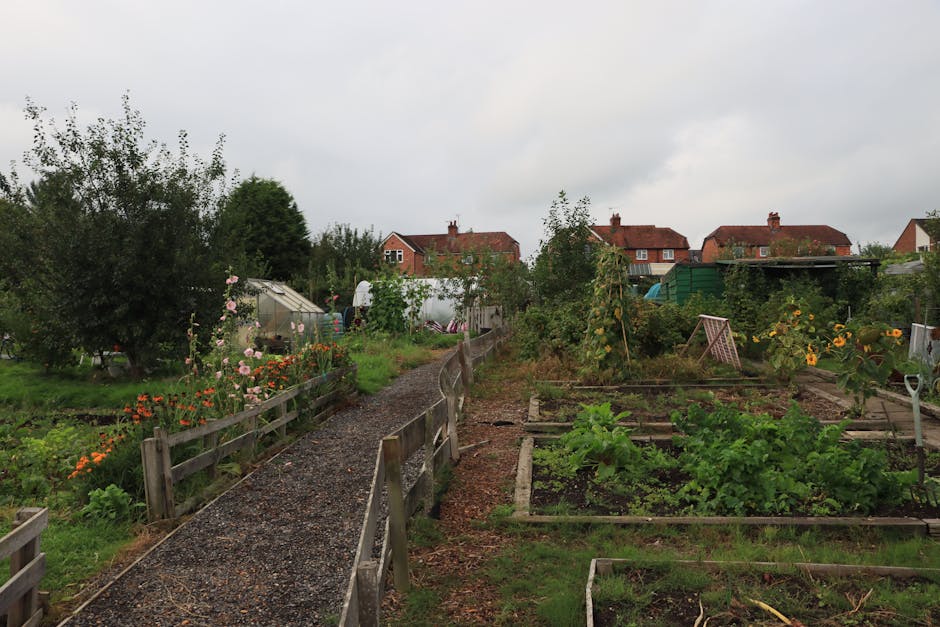
SE8 Allotment Clearance and Gardeners Near Deptford Market: A Practical Local Guide
If you are looking into SE8 allotment clearance and gardeners near Deptford Market, chances are you need a plot, yard, or overgrown garden brought back under control without drama. Maybe the weeds are waist-high, maybe the shed has become a storage black hole, or maybe you simply do not have the time, tools, or stamina for a full clear-out. Fair enough. In a busy part of South East London, jobs like this need to be quick, tidy, and handled with a bit of judgement.
This guide explains what allotment clearance usually involves, how local gardeners approach the work, what to expect on the day, and how to choose a service that feels reliable rather than rushed. It also covers costs, compliance, waste handling, and a few mistakes people often make when they try to tackle everything at once. If you want the short version: a good clearance saves time, protects the plot, and makes the next stage of gardening much easier.
Table of Contents
- Why SE8 allotment clearance and gardeners near Deptford Market Matters
- How SE8 allotment clearance and gardeners near Deptford Market Works
- Key Benefits and Practical Advantages
- Who This Is For and When It Makes Sense
- Step-by-Step Guidance
- Expert Tips for Better Results
- Common Mistakes to Avoid
- Tools, Resources and Recommendations
- Law, Compliance, Standards, or Best Practice
- Options, Methods, or Comparison Table
- Case Study or Real-World Example
- Practical Checklist
- Conclusion
- Frequently Asked Questions
Why SE8 allotment clearance and gardeners near Deptford Market Matters
Allotments and compact gardens around SE8 can change quickly. One wet month and suddenly the plot feels half wild. That is not unusual. In urban gardening, especially near Deptford Market where space is precious and access can be awkward, clearance is often less about "tidying up" and more about restoring useable space.
A cleared plot does three important things. First, it gives you room to see what is actually there: soil condition, established plants, broken edging, hidden rubbish, drainage issues, and anything that needs repair. Second, it resets the garden so you can plan properly instead of working around a tangle of weeds and debris. Third, it helps reduce pressure on neighbours, plot holders, or landlords who may want the site maintained to a decent standard.
To be fair, allotment clearance is rarely glamorous. It is the hard graft before the satisfying part. But without it, planting, landscaping, and regular maintenance become twice as difficult. You also risk letting self-seeded growth, brambles, or unchecked rubbish turn a small job into a bigger one. And yes, that always seems to happen after the first cup of tea, somehow.
For local readers, the value of nearby gardeners is simple: they understand dense residential access, shared walkways, limited parking, and the practical realities of working in SE8. That local knowledge matters more than people think.
How SE8 allotment clearance and gardeners near Deptford Market Works
Most allotment clearance jobs follow a fairly sensible pattern, though every plot is different. A proper gardener or clearance team will usually start by assessing access, waste volume, garden size, and the level of overgrowth. From there, they plan the work in stages rather than trying to brute-force everything in one go.
Typical clearance tasks may include:
- cutting back weeds, nettles, brambles, and rough growth
- removing dead plants, annuals, and spent beds
- lifting light debris and unwanted garden waste
- separating reusable materials from disposal items
- tidying paths, edges, and access routes
- preparing beds for replanting or cultivation
Depending on the condition of the plot, the work might also involve hedge trimming, pruning, or more detailed garden maintenance. If a garden has been neglected for a while, the first visit is often about making the area safe and workable rather than making it picture-perfect. That is a sensible approach. You want control first, polish second.
In practice, good gardeners will also think about what should not be removed. That sounds obvious, but it is not always. A fruit cane, a perennial herb patch, or an overwintering plant can look scruffy and get accidentally chopped back if the brief is too vague. If in doubt, point things out before work begins.
If you are comparing services, it helps to review the broader garden services overview so you can see how clearance, regular maintenance, and one-off tidy-ups fit together. For pricing questions, the pricing and quotes page is also a useful place to start.
Key Benefits and Practical Advantages
There are obvious benefits to getting a plot cleared, but the less obvious ones matter just as much.
- Faster restart - a cleared allotment can move from "too much to face" to "ready for action" in a single visit or two.
- Better plant health - less congestion means better airflow, light, and access for soil preparation.
- Improved safety - fewer trip hazards, hidden objects, and prickly surprises.
- Less stress - you do not have to spend every weekend fighting the same patch of ground.
- More accurate planning - once the clutter is gone, it is easier to see what the plot genuinely needs.
- Cleaner disposal - professional clearance should separate waste thoughtfully, rather than just piling everything together.
There is also the mental side. A neglected plot can feel oddly heavy. You arrive meaning to do one small thing, then end up staring at the same patch of bindweed for twenty minutes. A tidy reset changes that. Suddenly the space feels workable again. Small win, but a real one.
For property owners, tenants, and plot holders alike, the practical benefit is the same: a clear boundary between what is salvageable and what needs removing. That makes the next decisions much easier.
Who This Is For and When It Makes Sense
This kind of service is useful for quite a few people, not just long-term allotment holders. It makes sense if you are:
- taking over a neglected allotment or garden
- preparing a plot for spring planting or a new growing season
- trying to bring a council or shared garden space back into use
- managing a rental property with an overgrown outdoor area
- dealing with seasonal overgrowth after time away
- selling a property and needing the garden presentable
It is also a smart option if you can garden, but not at the scale the task now demands. A lot of people are perfectly capable of pruning a border or trimming a hedge, yet the whole space has become too much. That is normal. Life gets busy, the weather turns, and suddenly the to-do list has grown roots.
If you are based around Deptford Market, the local context matters. The best gardeners nearby are used to working around tight streets, pedestrians, shared spaces, and limited loading options. That kind of practical experience reduces wasted time and avoids awkward mess on pavements or entrances.
Step-by-Step Guidance
Here is a straightforward way to approach an allotment clearance or overgrown garden job without making it harder than it needs to be.
- Walk the plot slowly. Note what is overgrown, what is rubbish, what is living, and what must stay.
- Separate the job into zones. Beds, paths, fences, sheds, borders, compost areas, and access points may all need different treatment.
- Decide what "clear" means. Some plots need a light tidy; others need full clearance down to soil level.
- Check access and waste handling. Where can tools go? Where will waste be stacked? Is there a safe way out?
- Agree the priority order. Safety first, then clearance, then shaping and finishing.
- Remove obvious hazards early. Broken glass, rusted metal, hidden sticks, and loose debris should go first.
- Cut back in stages. Big jobs often work better with a first pass and a refining pass, not one aggressive sweep.
- Inspect what remains. Once the surface growth is gone, assess soil, drainage, structures, and salvageable plants.
- Book follow-up maintenance if needed. A cleared site still needs ongoing control, especially in spring and summer.
A useful tip: ask for a brief recap at the end of the job. What was removed? What was left in place? What needs follow-up? It saves confusion later. Simple, but often skipped.
Expert Tips for Better Results
Good clearance work is not just about cutting more. It is about cutting wisely.
1. Start with the biggest blockers. Long grass, brambles, tangled climbers, and fallen material usually hide the real condition of the plot. Clear those first and the rest becomes easier.
2. Protect anything worth keeping. It sounds obvious, but an unlabeled perennial can disappear in a hurry. If there are plants you want saved, mark them before the team starts.
3. Be realistic about waste volume. Overgrown gardens always produce more waste than people expect. Always. There is just no nice way to say that.
4. Ask about disposal method. Proper garden waste separation matters. Recyclable green waste should ideally be handled differently from mixed rubbish where practical.
5. Think about the next job, not just this one. If the plot will need regular upkeep after clearance, arrange that from the start. A one-off tidy can be useful, but it is maintenance that keeps things under control.
Another local-minded tip: in SE8, time and access can be tight. If a team can work neatly, keep noise sensible, and avoid blocking entrances, that is a very good sign. You notice those details when you live and work nearby.
For people who care about greener practice, the company's recycling and sustainability approach is worth checking because thoughtful disposal is part of responsible clearance, not an optional extra.
Common Mistakes to Avoid
Most problems with allotment clearance are not dramatic. They are just the sort of little decisions that create bigger headaches later.
- Trying to clear everything in one go. That can lead to missed areas, damaged plants, and fatigue-driven shortcuts.
- Not defining the brief clearly. If you do not say what stays, it may be removed. Hard truth.
- Ignoring access issues. Narrow gates, stairs, uneven ground, and parking limits all affect efficiency.
- Mixing waste types without thought. Garden waste, household rubbish, timber, and metal may need different handling.
- Skipping health and safety basics. Gloves, eye protection, sturdy footwear, and careful lifting make a real difference.
- Assuming the first tidy is the final result. For neglected plots, there is usually a second stage of shaping and maintenance.
People also sometimes underestimate how emotional a clearance can feel. Letting go of old pots, broken furniture, or unused materials can be oddly satisfying, but it can also feel like a faff. A decent gardener will work through that calmly and keep the job moving.
Tools, Resources and Recommendations
For most allotment clearance and garden tidy jobs, the right tools matter more than fancy kit. A practical setup usually includes cutting tools, digging tools, wheelbarrows or tubs, rakes, tarps, and safe waste bags or containers. For heavier growth, stronger cutting gear may be needed, but that should only be used by someone who knows what they are doing.
Here is a simple comparison of common approaches:
| Approach | Best for | Pros | Limitations |
|---|---|---|---|
| DIY clearance | Small, light tidy-ups | Low direct cost, full control | Time-consuming, physically demanding, easy to underestimate waste |
| One-off professional clearance | Overgrown or neglected plots | Fast reset, safer handling, better planning | Higher upfront cost than DIY |
| Clearance plus maintenance | Plots that need ongoing control | Prevents regrowth, keeps standards steady | Requires a regular schedule |
If you are unsure which route fits, start with the service pages and ask for clarity on scope. The main thing is not to buy more than you need, but also not to buy too little and end up paying twice. That happens. More often than you'd think.
You can also look at the company's about us page to get a sense of how they work, and the services overview if you are comparing one-off clearance with ongoing garden care.
Law, Compliance, Standards, or Best Practice
For garden clearance in London, it is sensible to follow recognised UK best practice even when the job seems simple. That usually means handling waste responsibly, working safely, and being careful with access, noise, and shared areas. Where a plot is part of an allotment site or managed property, site rules may also apply. Those rules can vary, so it is worth checking them before work begins.
Good practice typically includes:
- safe manual handling of heavy or awkward waste
- clear separation of waste where practical
- protecting retained plants, boundaries, and hard landscaping
- keeping walkways and exits clear
- using suitable personal protective equipment
- reducing avoidable mess on shared paths or neighbouring plots
If you are hiring someone, look for a company that takes health and safety seriously and can explain how they manage risk on-site. If you want additional reassurance, the insurance and safety information is also worth reviewing before booking.
For payment confidence and general consumer trust, it helps when a business is clear about process, terms, and handling customer information. A transparent payment and security page, plus accessible terms and conditions and a plain-English privacy policy, all add useful reassurance.
Options, Methods, or Comparison Table
There is no single "best" way to clear an allotment. The right method depends on the state of the plot, your deadline, and how much control you want over the process.
| Method | When it works well | What to watch out for |
|---|---|---|
| Light tidy and cut-back | Recent neglect, mostly manageable growth | Can leave hidden issues if you do not inspect closely |
| Full clearance | Severely overgrown plots or change-of-tenant situations | More waste, more labour, greater need for clear brief |
| Clearance with restoration | Plots needing both cleanup and re-establishment | Can take longer, so planning matters |
| Ongoing gardening support | Owners who want the plot kept in shape | Needs regular scheduling, but that is also the point |
A practical way to decide is to ask yourself one question: do I need this space cleared, or do I need it genuinely usable again? Those are not quite the same thing. Usable usually means a little more work and a better outcome.
Case Study or Real-World Example
Picture a small allotment near Deptford Market at the end of a damp spring. The path is half-hidden, the beds are full of self-seeded growth, and an old compost heap has turned into something nobody wants to think about too closely. The owner has been away for months and wants the plot usable before the growing season properly kicks in.
The sensible approach is not to clear blindly. First, the visible rubbish is removed. Then the thickest growth is cut back so the beds can be seen. After that, the useful plants are identified, the waste is separated, and the remaining soil is checked for what can be reused. What looked like a disaster on arrival starts to feel manageable by lunchtime. Not perfect. Just manageable, which is often the real target.
By the end, the owner has clear paths, visible bed lines, and a proper view of what needs replanting. That means the next visit can focus on cultivation rather than rescue work. That is the win. Not magic. Just good sequencing and a bit of local know-how.
Practical Checklist
Use this checklist before booking or starting work:
- Confirm the exact area to be cleared
- Mark anything that must stay
- Check access, gates, steps, and parking
- Clarify whether rubbish removal is included
- Ask how green waste and mixed waste will be handled
- Decide whether you need a one-off clearance or ongoing care
- Review safety, insurance, and payment information
- Set a realistic timeline for the work
- Make sure the plot or garden is safe to enter
- Plan the next stage after clearance, not just the clearance itself
Quick expert summary: the best allotment clearance jobs are calm, well-scoped, and waste-aware. If the brief is clear, the access is understood, and the team has a proper plan, the whole thing becomes much easier. You do not need a dramatic overhaul. You need a clean reset that leaves the space ready for the next sensible step.
Conclusion
SE8 allotment clearance and gardeners near Deptford Market are most useful when the plot has become too messy, too dense, or simply too big a job to tackle on your own. A proper clearance restores the space, reduces risk, and gives you back control. That is what matters in the end.
Whether you are preparing a neglected allotment, refreshing a shared garden, or getting a small outdoor space back into shape, the smartest move is usually the same: define the brief clearly, choose a local gardener who understands access and waste handling, and think one step beyond the first tidy. A clear plot is great. A maintainable plot is better.
If you want a smoother process, review the available services, check the pricing and quotes information, and use the contact page when you are ready to discuss the job properly.
Get a free quote today and see how much you can save.
Sometimes a garden only needs a clean start. And once the clutter lifts, the whole place feels lighter. That's a good feeling, really.
Frequently Asked Questions
What does allotment clearance usually include?
It usually includes cutting back overgrowth, removing dead plants, clearing debris, lifting light rubbish, and making the plot usable again. The exact scope depends on the condition of the space and what you want kept.
How is a clearance different from regular garden maintenance?
Clearance is the reset. Maintenance is the ongoing work that keeps things under control afterward. Clearance deals with the big build-up; maintenance prevents it from returning so quickly.
Can gardeners near Deptford Market handle badly overgrown plots?
Yes, many local gardeners can. The main thing is to describe the plot honestly so they can estimate labour, access, and waste handling properly. A good team will tell you if the job needs one visit or several.
Do I need to be on-site during the clearance?
Not always, but it helps at the start if the team needs instructions about what stays and what goes. If you cannot be there, it is wise to agree the brief clearly beforehand.
What if I only want part of the allotment cleared?
That is common. You can ask for selected beds, paths, hedges, or access routes to be cleared while keeping planted areas intact. Clear instructions matter more than anything else here.
How long does a typical clearance take?
It depends on plot size, overgrowth, access, and waste volume. A small tidy may be quick, while a neglected allotment can take much longer. It is better to ask for a site-based estimate than assume.
What should I do before the gardeners arrive?
Mark anything fragile or valuable, clear a route to the plot if possible, and remove personal items you do not want touched. If the space is shared, let neighbours or plot holders know when access may be needed.
Is garden waste removed as part of the job?
Often yes, but not automatically in every case. You should confirm whether waste removal is included in the quote and how it will be handled, especially if there is mixed rubbish as well as green waste.
How do I choose between a one-off clear and ongoing garden care?
If the space has simply built up over time, a one-off clearance may be enough. If the plot tends to return to chaos quickly, or if you want a consistently tidy outdoor area, ongoing care is usually the better choice.
Are there any safety concerns with allotment clearance?
Yes. Hidden glass, rusted metal, uneven ground, prickly growth, and awkward lifting are all common issues. That is why safe footwear, gloves, and careful handling matter, even on jobs that look straightforward.
What information should I ask for before booking?
Ask what is included, how waste is disposed of, whether insurance is in place, how payment works, and what happens if the plot is more complex than expected. That way, there are fewer surprises later.
Where can I find more information about the company's approach?
You can review the company's about us, services overview, and recycling and sustainability pages for a clearer picture of how they work.